LD Total's top tips for maintaining your new garden
Industry News
LD Total's top tips for maintaining your new garden
News
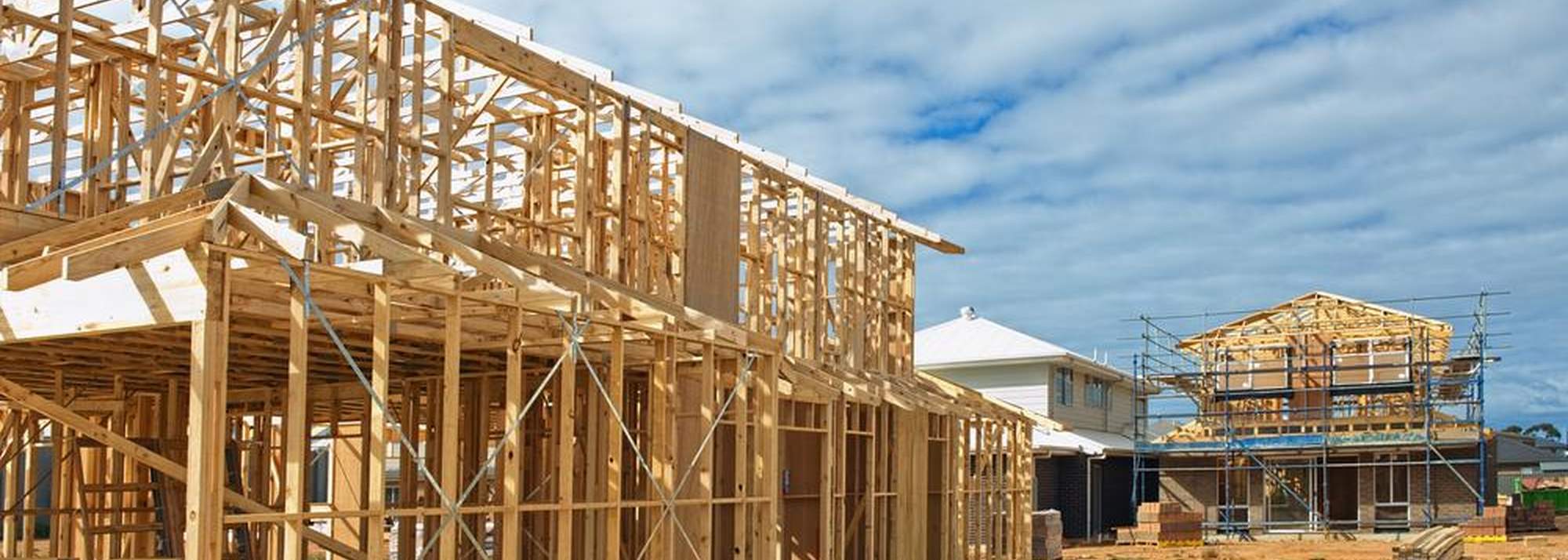
The land buying, home building journey is both exciting and deeply satisfying. However, for some the journey can come with uncertainty. From choosing which community to live in, to which house designs to pick and more. Home ownership should be an enjoyable journey for all who undertake it, but the hidden costs involved can sometimes make it difficult.
The good news is some of the common pitfalls of building your dream home can be avoided with careful planning. So what traps should you look out for, and how do you navigate around them? We asked Wendy Shenstone, marketing manager at Western Australia’s Homebuyers Centre. Here are her tips:
“If the deal seems too good to be true, it probably is,” says Ms Shenstone. Yes, incentives could be exactly what they claim–a good deal–but Ms Shenstone tells us that choosing a home or house and land package because it’s the cheapest could lead to sacrifices in service, quality or time, depending on why the house is being advertised for such a low price.
Additionally, one of the most common things the Homebuyers Centre team sees is eager first-time builders not understanding their finances before making big decisions. For instance, some customers look at available house and land package options before sorting out what they can afford to borrow, which can cause disappointment when what they expect isn’t what they can afford.
Finances should be the first thing you discuss on the home building journey and all throughout the construction process. What can you save, and what can you afford to repay? Can some compromises be made to get more from another area, i.e. a smaller house in a better community?
Understanding the eligibility criteria for financing can also be crucial, especially if you’re considering specific land packages or other eligible property options.
Bearing in mind that saving for a higher deposit doesn’t necessarily mean you’ll have stronger borrowing power. Indeed, Ms Shenstone says that sometimes when customers take longer to save, house prices rise in that time, meaning they’re worse off than before (despite having a higher deposit amount).
If your finances are figured out, you’ll be confident in building the home of your dreams on your new land.
It’s never a nice surprise to experience hidden costs, and researching your home builder is one way to mitigate some of these.
For example, ‘siteworks’ and ‘provisional sums’ are two terms you may hear from your builder, and both of them can cause sudden expenses.
Additionally, Ms Shenstone advises aspiring home builders to be wary of choosing a builder that has a poor reputation, either for quality, time or cost. Any of these can create additional strain on your home building experience.
Pull quote: Knowledge is power, and you can never ask too many questions.
In Ms Shenstone’s words: “Don’t be afraid.”
Knowledge is power, and you can never ask too many questions of your builder. How many years have they been building? Can they assist you with finances, and if so, are they partnered with a reputable finance company? How many homes have they built, and can you view any or talk to previous customers for their review?
In terms of design and costs, can your builder provide a list of what is included in their service? Do they have fixed siteworks? Do they build provisional sums into their contracts?
“People are often dazzled by promotions or deals that are advertised,” says Ms Shenstone. “But remember that building a home is one of the biggest achievements of your life; it is important to focus on what really matters – quality, reputation, trust. These are the things that will make building your first home an enjoyable experience.”
Homebuyers Centre is one of Western Australia and Victoria’s most trusted home builders, having helped over 30,000 first home buyer clients move into their dream homes. Plus, they only work with the nation’s best community developers, like Satterley.
Satterley has been in business for over 35 years, creating masterplanned communities for more than 250,000 residents across the country and taking home over 100 industry awards in the process. To find the perfect community to build your new home (pitfalls not included), check out our lots for sale today